
Waitī:
We feature the work of the Kaitiaki River Sweepers to reflect the meaning of Waitī, the star connected to all fresh water—rivers, lakes, and streams—and the life those waters sustain.
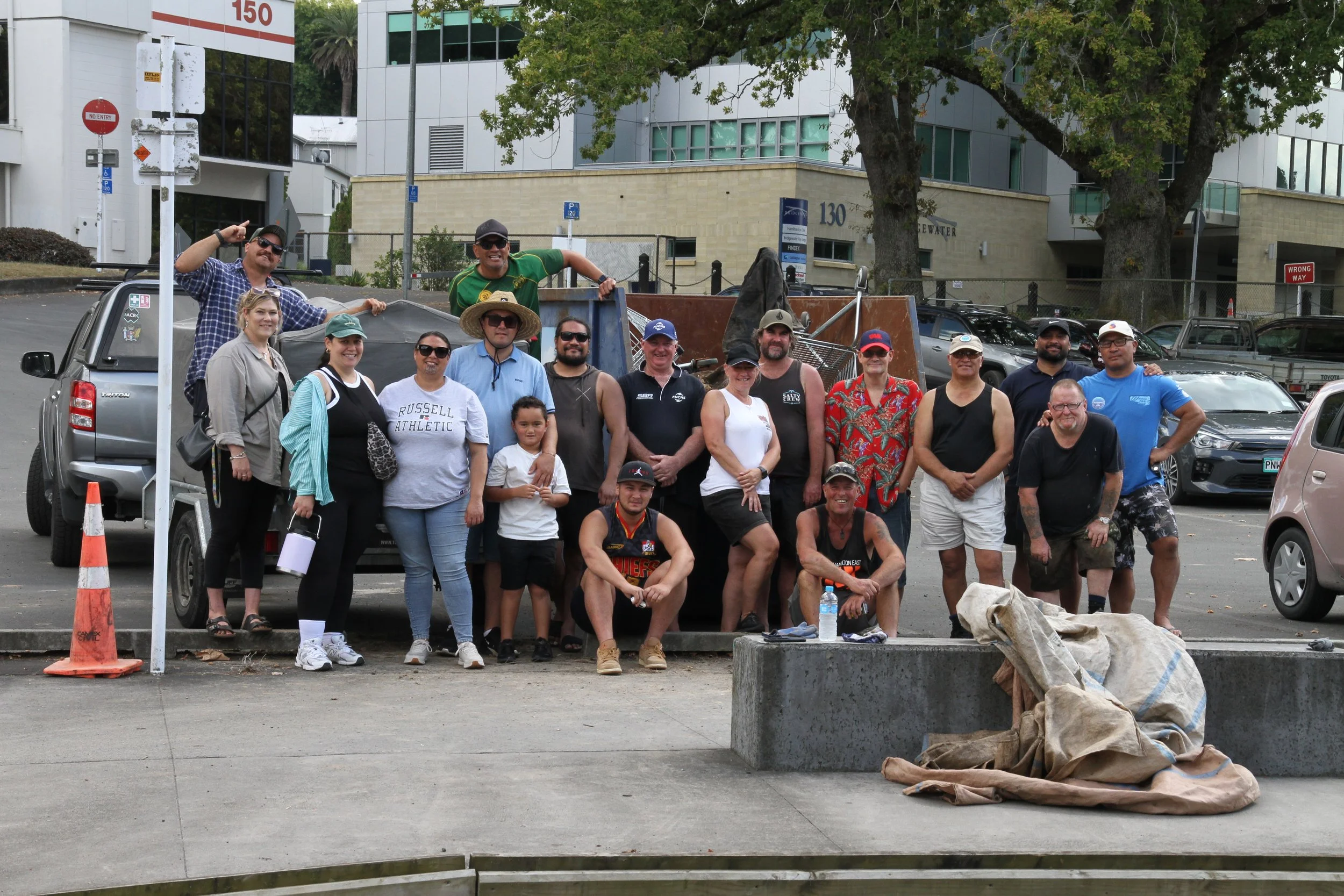
The Beginning: A Moment on the Water
It started with Norm Hill doing waka ama on the Waikato River. When Norm paddled up the awa, he found more than litter: household rubbish was caught in the banks, clothing tangled in roots, and debris spread across a waterway that has sustained life for centuries. He knew that something needed to be done about it, and the idea for the Kaitiaki River Sweepers was born.
The Kaitiaki River Sweepers reach now extends from Hamilton (Kirikiriroa) south to Cambridge and north to Ngāruawāhia. This is not remote wilderness but a river running alongside homes, schools, marae, and city centres. It is part of life for the people who live alongside it, and that makes the sight of dumped rubbish even more confronting. Seeing it treated as a dumping ground pushed the group to act. From that decision came a guiding truth: "It's the simple things ordinary people do that make a real difference, our simple act is picking up rubbish."
Te Ture Whaimana – Mana Whakahaere: A Restored and Healthy Awa
For the River Sweepers, a restored Waikato is not an abstract idea. It is a river where tuna can move through clean water, tamariki can swim safely, native planting lines the banks, and the mauri of the awa is visibly restored.
They know this will not happen overnight. The work is steady and practical, one piece of rubbish, one cleanup, and one volunteer at a time. That is the strength of the kaupapa: lasting change comes through consistent, humble action.
Cultural Connection: Kaitiakitanga in Action
What sets the Kaitiaki River Sweepers apart from a standard cleanup is the philosophy behind the work. Kaitiakitanga, the Māori principle of guardianship and stewardship, is the cultural and spiritual backbone of the initiative.
For Māori, the Waikato River is not simply a body of water but an ancestor with its own mauri, mana, and whakapapa. Cleaning the river is therefore more than environmental work; it is an act of respect, whanaungatanga, and responsibility to past and future generations. It is also a way of restoring the relationship between people and place, reminding communities that the health of the awa and the health of the people are closely connected. That worldview shapes the group's approach, from karakia to the relationships built along the riverbank.
Reducing Waste: From River to Resource
The scale of rubbish removed shows how badly the awa has been treated. The team has pulled out Lime scooters, supermarket trolleys, bikes, laptops, tyres, clothing and textiles, fridges, microwaves, car parts, broken furniture, and large amounts of plastic, glass, and Styrofoam. Each item tells its own story of neglect, but together they also show the value of turning up regularly and doing the hard, physical work of restoration.
Some of the most striking finds are the shopping trolleys. Norm has the goal to convert trolleys into hāngī baskets. Tyres could be turned into playground features, planters, and erosion barriers. Textiles could be reused for practical purposes, while bottles and other materials could support art and rangatahi projects. This "River to Resource" approach will reduce waste while creating new learning opportunities.
Intergenerational Mahi: From Rangatahi to Kaumātua
A key strength of the Kaitiaki River Sweepers is their intergenerational approach. Rangatahi, pakeke, and kaumātua from Kirikiriroa and Huntly work side by side, reflecting the belief that kaitaiakitanga belongs to every generation.
When young people work alongside elders, they gain more than cleanup experience. They connect with mātauranga Māori, hear stories of the awa, and learn kaitiakitanga through action. Just as importantly, they see that caring for the river is not someone else's job but a shared responsibility they can carry into their own futures.
The Power of Collaboration: A Network of Support
The impact of the Kaitiaki River Sweepers has grown through strong partnerships with Waikato-Tainui, the Waikato River Authority, Waikato RiverCare, Hamilton City Council, Waikato Regional Council, and the Waikato Wellbeing Project.
These relationships help provide equipment, support waste disposal, and strengthen access to the river. They also show that local government, iwi, and community organisations all have a role to play in caring for the Waikato. Volunteers are formally recognised as Guardians of the Waikato River through a certificate backed by partner organisations, reinforcing that their mahi is valued and part of a wider restoration effort.
Community Ripple Effect: Spreading the Kaupapa
The River Sweepers have become a visible presence on the awa, and their work is drawing wider community interest. People notice the boats, the heaps of rubbish brought ashore, and the determination of those involved. That momentum is feeding a bigger vision: spreading the kaupapa across other iwi, with the goal to create an annual event right across the river system, from Taupo to Port Waikato. Picture one thousand kaitiaki cleaning our awa together, within our river bend of responsibility.
How to Become Involved
The Kaitiaki River Sweepers welcome anyone willing to care for the Waikato River. People can join a cleanup, donate equipment or resources, or share the kaupapa through their own networks. Whether someone contributes time, practical support, or encouragement, each action helps strengthen the movement. Support is available through Hamilton City Council's Nature in the City programme, Waikato RiverCare, or directly through the Waikato Kaitaiki River Sweepers.
Keeping our wai, tino pai.